Text and structure
The text workflow used a Wikisource transcription of the same scan, checked against OCR and source excerpts. Original wording is preserved in these selected passages; unresolved readings belong in the project’s issue record.
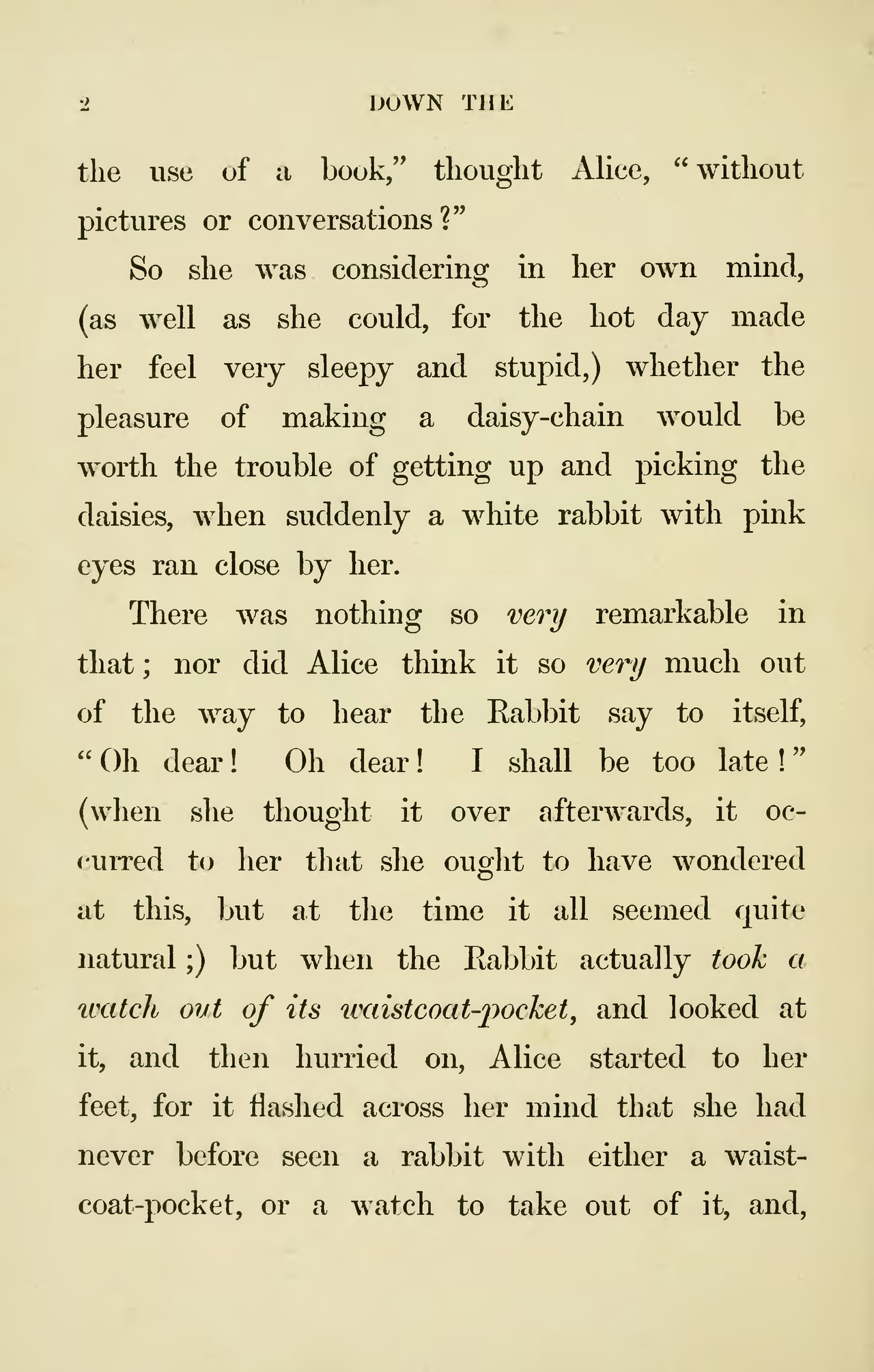
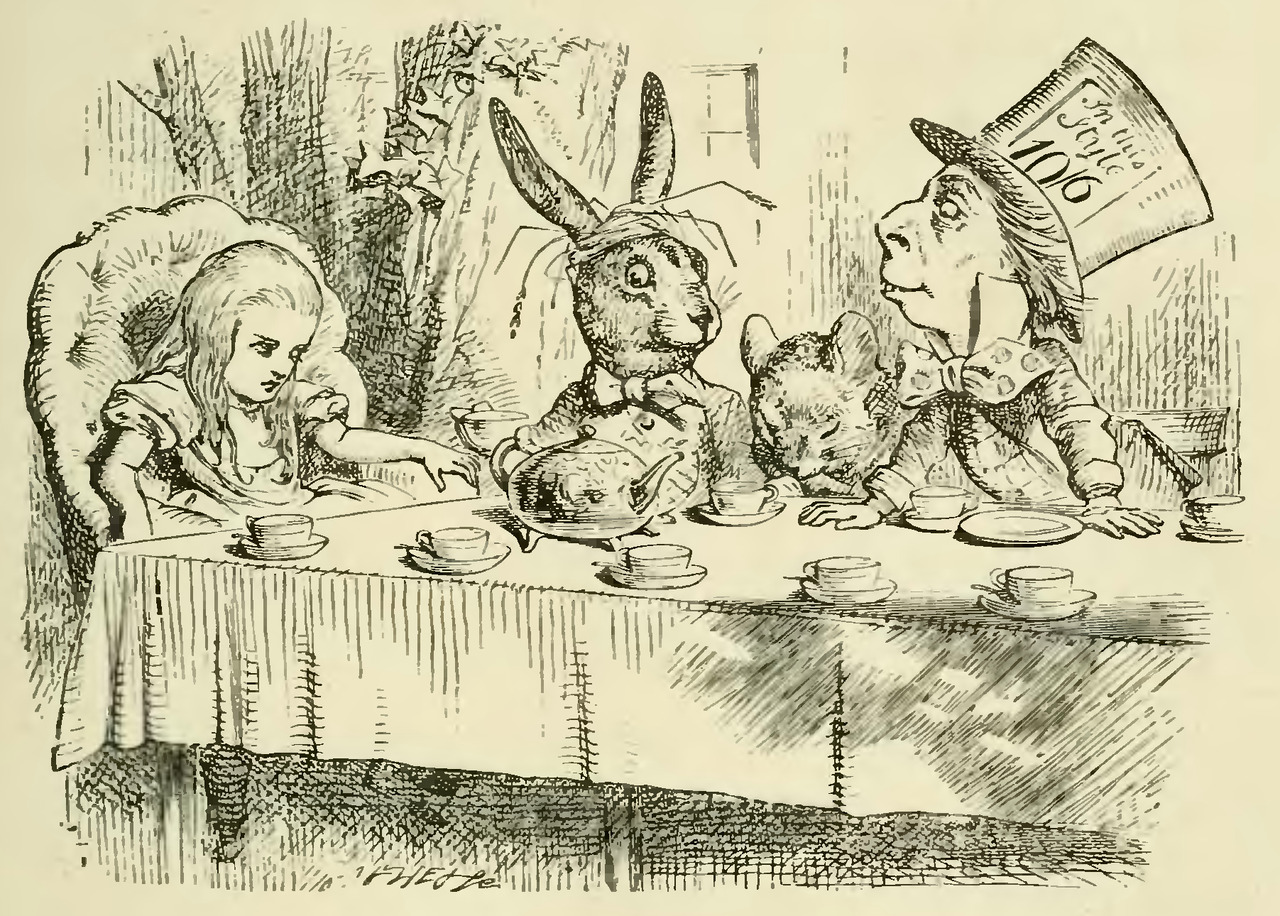
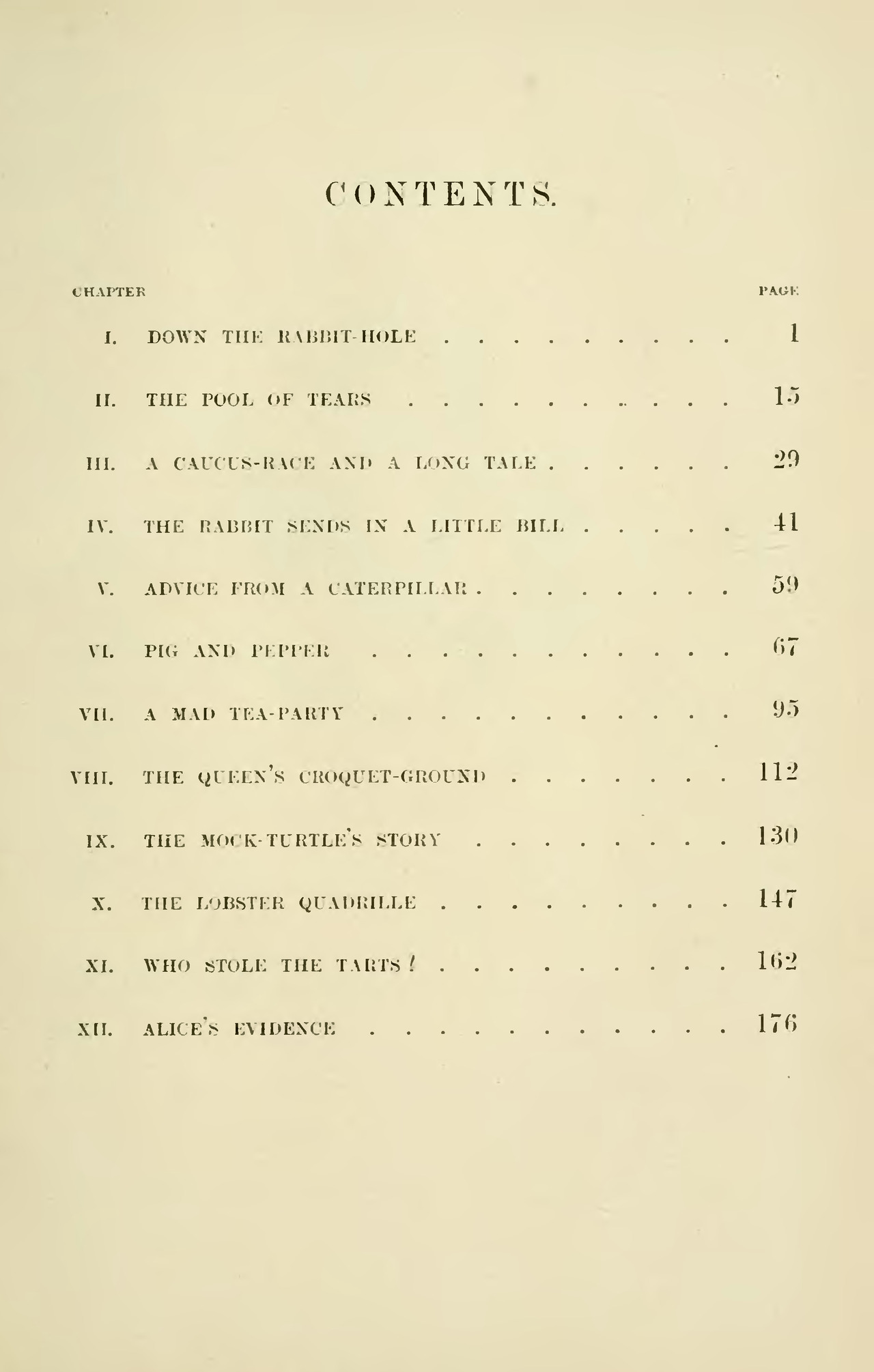
Sources: the 1866 scan on Wikimedia Commons and the transcription of that edition on Wikisource. The historical text and Tenniel illustrations are public domain in Canada. The new reconstructions and commentary are identified as modern contributions.
Illustrations and typography
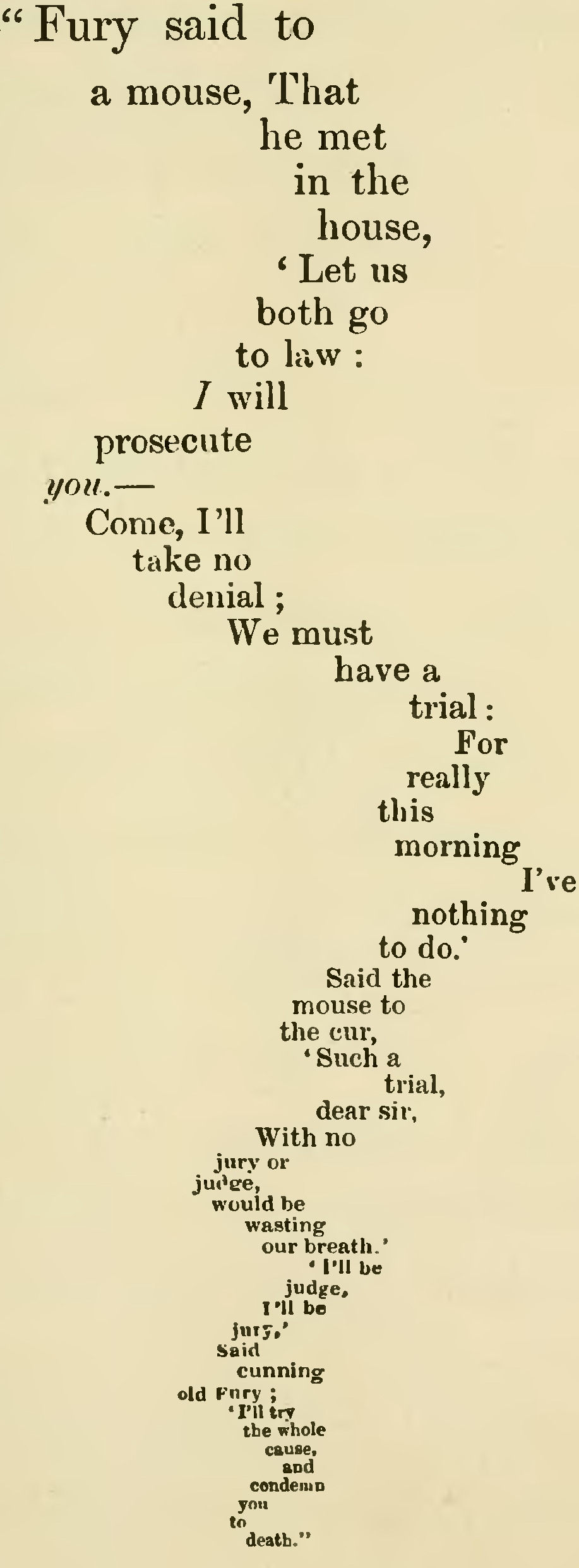
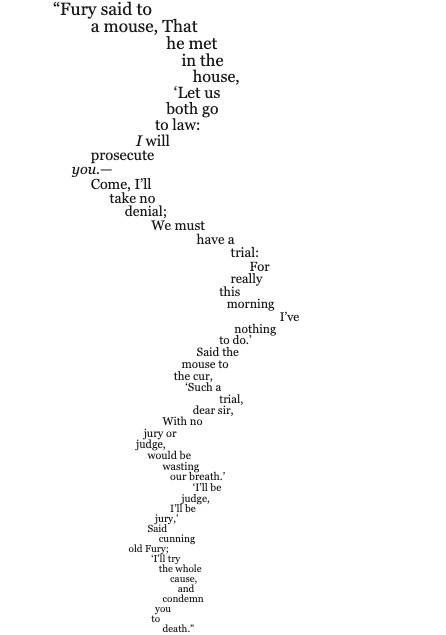
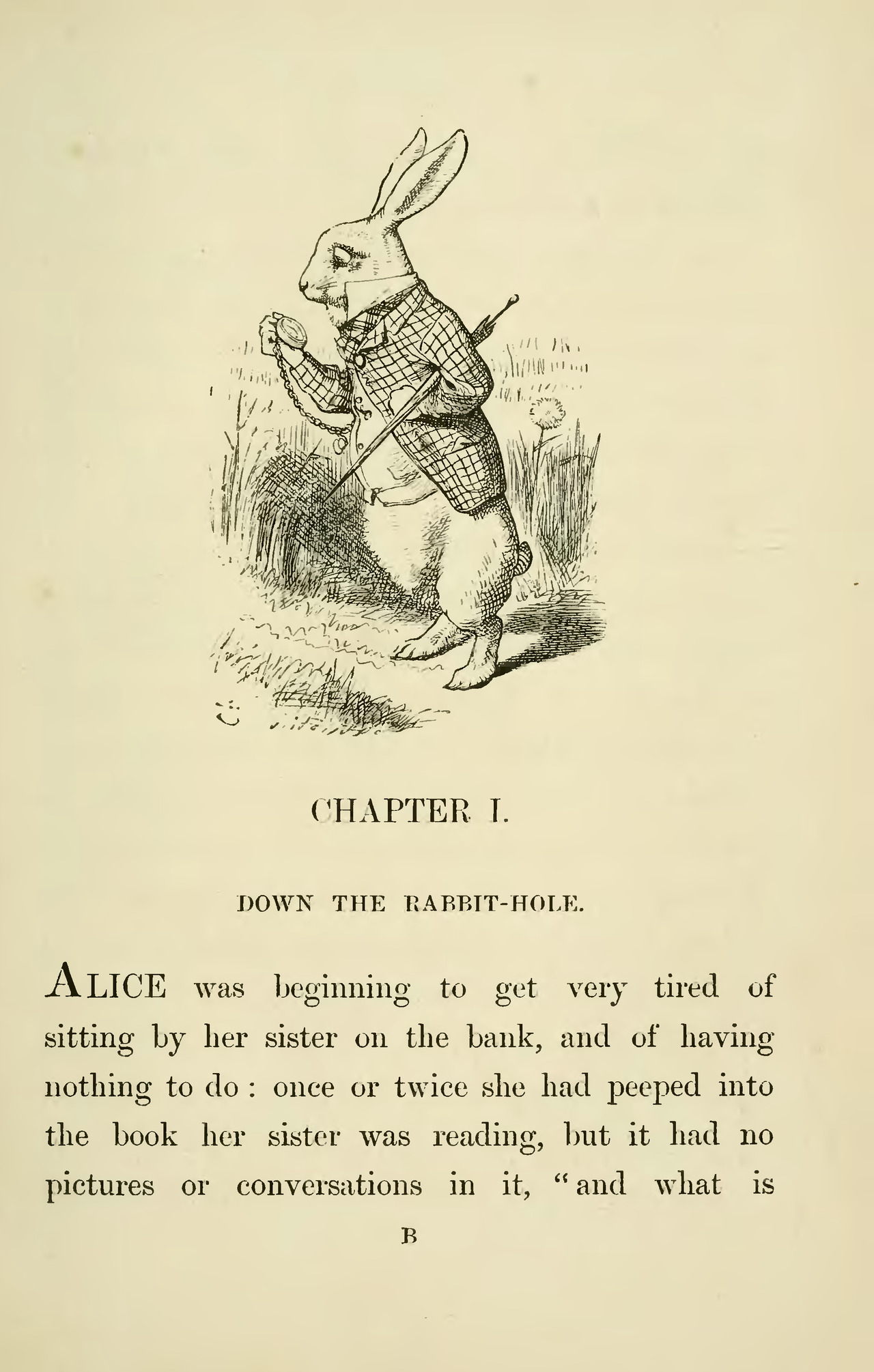
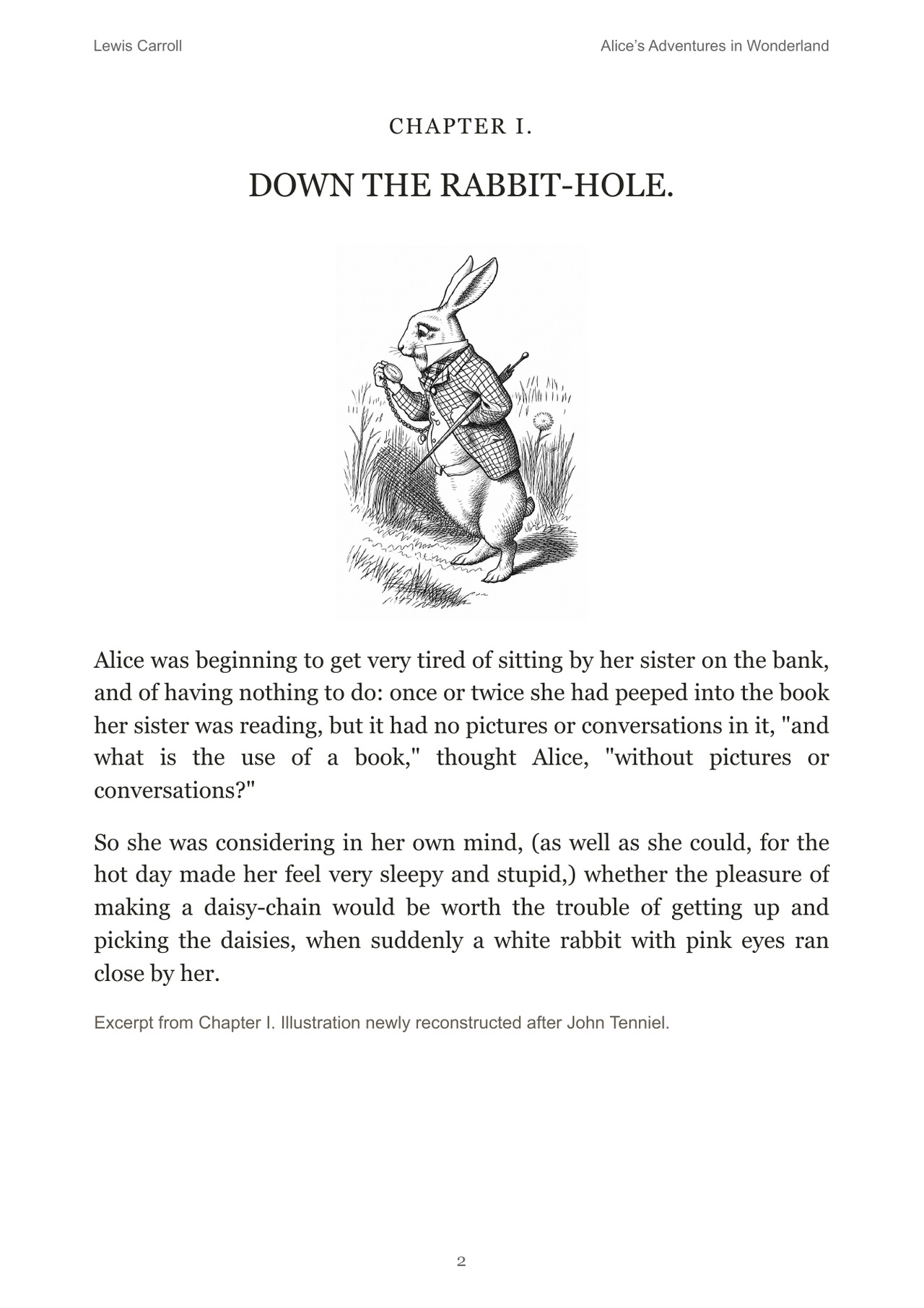
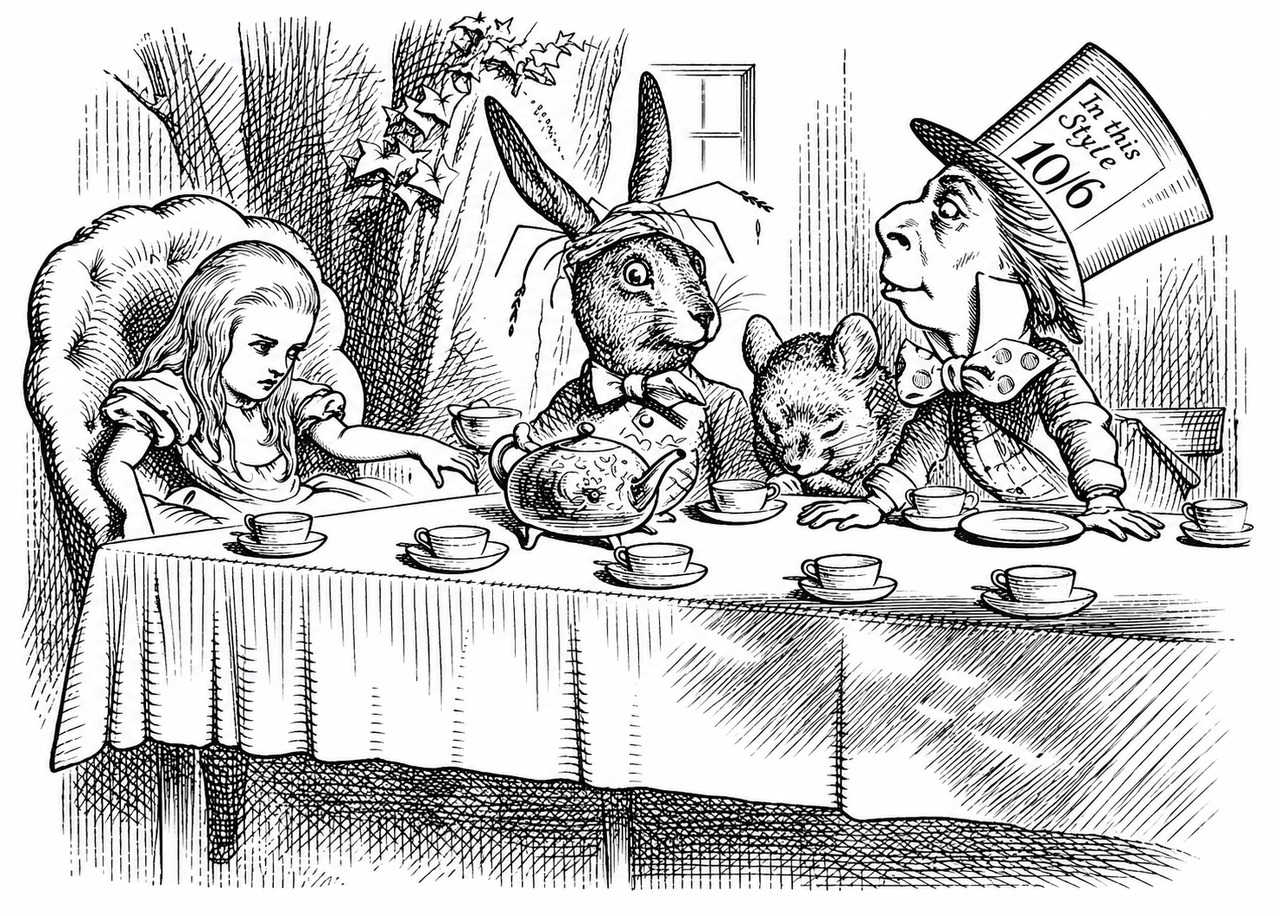
New illustrations are AI-assisted reconstructions after Tenniel. Faces, hatching and details are interpretations, not verified line-for-line reproductions. The mouse-tail poem retains its 51 lines as text in the edition, with approximate geometry and typeface. The website displays raster previews.
Commentary
The three notes are new editorial material, not Carroll’s original footnotes. They are separated from the author’s text, dated, and include sources where factual references are used. Interpretations are labelled.
The full demonstration
The reader’s edition contains 12 chapters and 149 PDF pages, with 42 reconstructed narrative illustrations and 13 new editorial notes. Of the 228 source scan pages retained in the original materials, 204 are represented and 24 have individually recorded exclusion reasons. Scan page counts and the new PDF pagination are different measures.
The delivery record
A scoped delivery includes the agreed PDF editions, editable Markdown with images and any required styles, a record of methods, unresolved questions and release contents. A commented edition also includes its source references. Complex typography may require the accompanying resources.
Discuss a book like yours ↗